Total: ¥0
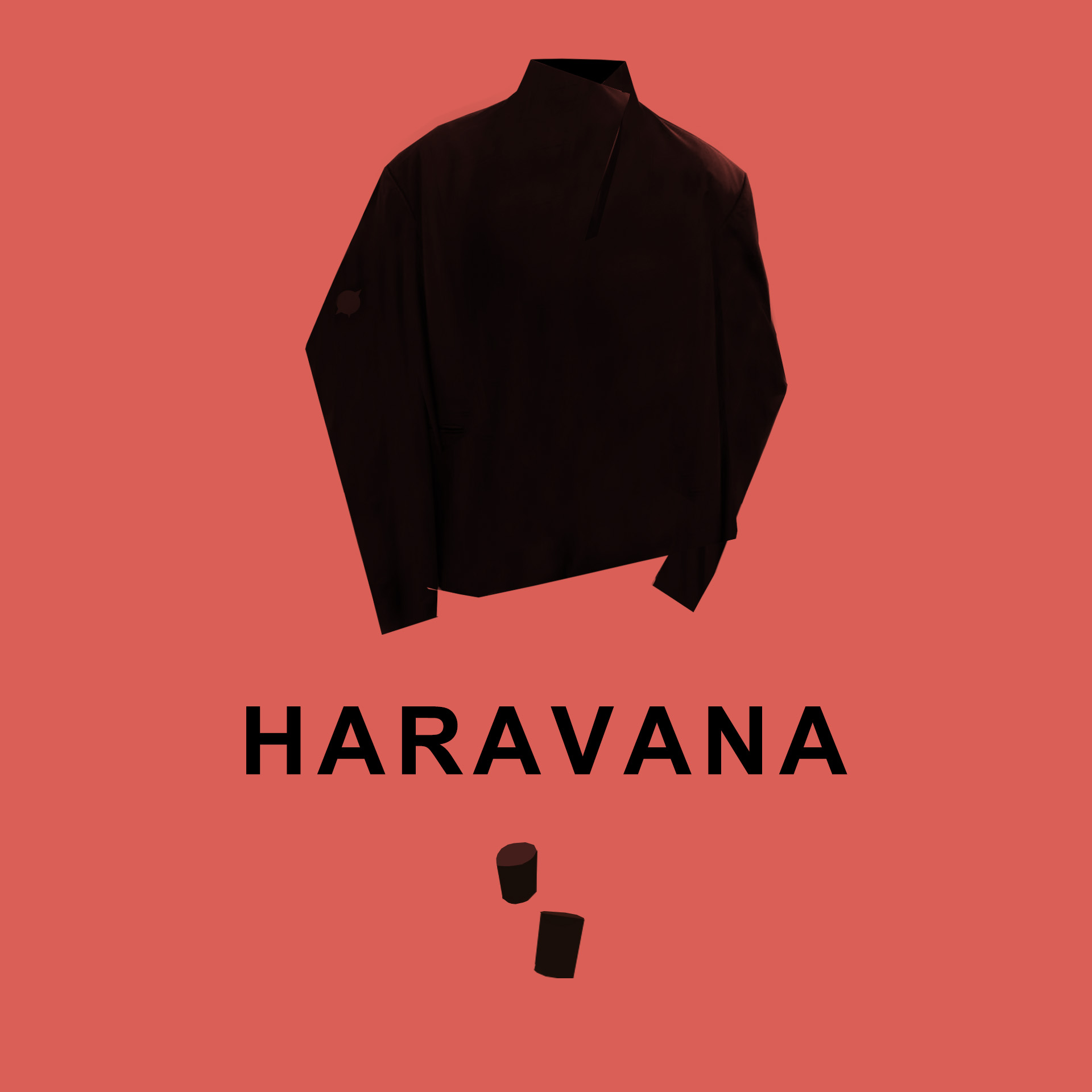
The Moment to Fall for ROBAE, Haravana
Prologue: Temptation in Darkness
In the world of fashion, light and beauty are always celebrated, yet ROBAE’s Haravana collection embarks on a radically different path — it does not shy away from humanity’s darker side, nor mask the ferocity of desire. It even embraces the “imperfections” rejected by mainstream aesthetics. As the designer of the Haravana collection stated: “The ROBAE brand should not merely advocate beauty. It may showcase cruelty, decadence, helplessness, desire for control, suggestion and even division. ROBAE’s truth ought to be complete.”
Haravana, named after a mythical monster fused with raven imagery, symbolizes plunder, domination, destruction, and the paradox between rampancy and order. It is both destroyer and preserver; temptation and deterrence. Its arrival breaks fashion’s traditional singular interpretation of “beauty”, turning instead to explore a deeper, literary and philosophical dark aesthetic.
Chapter I: Naming and Symbolism of Haravana
The term “Haravana” draws inspiration from dark mythological creatures. The designer merged it with raven imagery to craft a mysterious yet aggressively charged entity. In many cultures, ravens symbolize wisdom while acting as messengers of death and omens. Within Haravana’s universe, it takes on a far more complex role — it is both the disruptor of order and the upholder of rules.
The designer introduced the element of shackles throughout the collection. More than mere ornamentation, it serves as a metaphor. It represents self-awareness, struggle and rebirth amid contradiction — bound, yet empowered by confinement; suppressed, yet amplified in tension. This aesthetic of contradiction permeates the entire collection, rendering Haravana not merely apparel, but a narrative artistic expression.
Chapter II: Romance of Dark Aesthetics
Haravana’s aesthetic is not simply “Gothic” or dark. It fuses literary heritage, couture tailoring and cross-cultural composition. Its design language is highly dramatic:
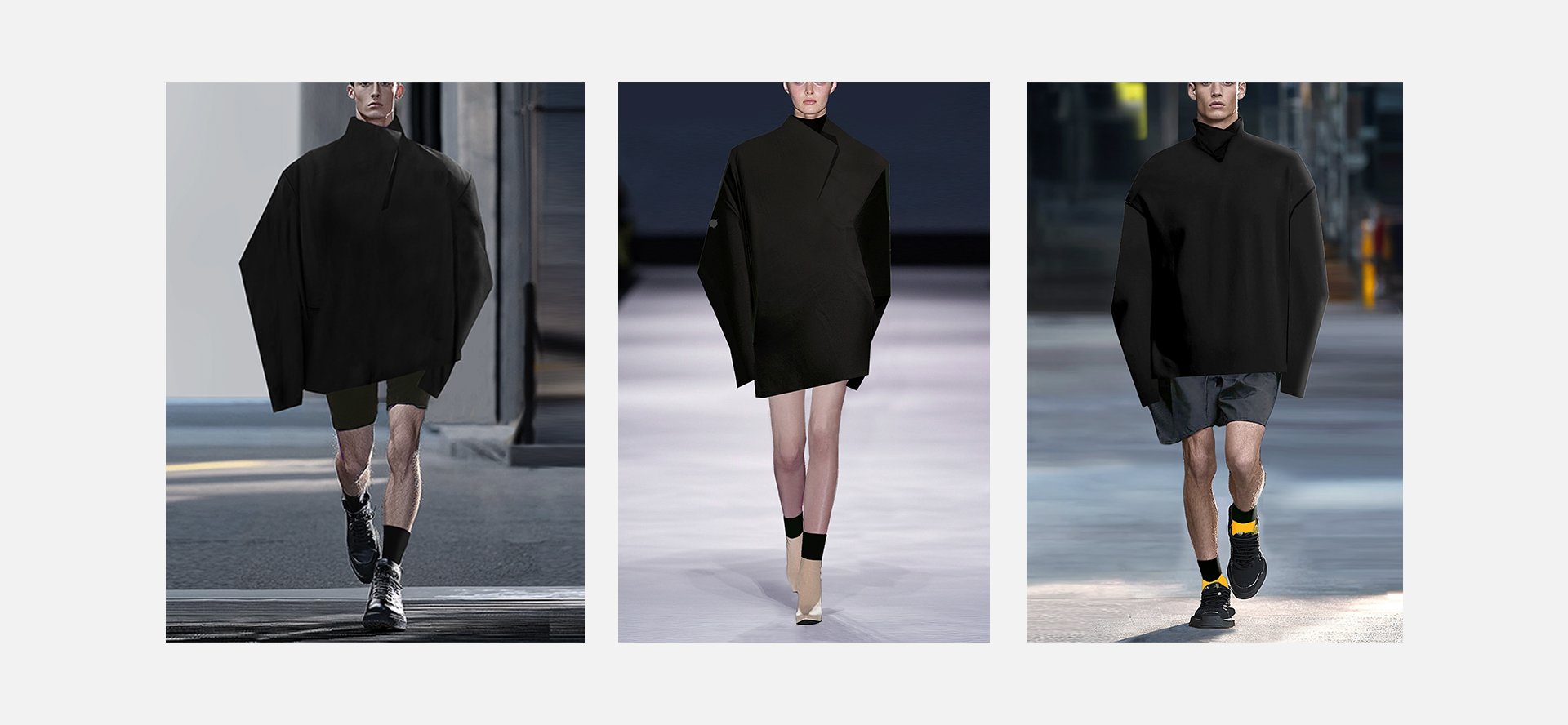
Asymmetrical Cutting: Dominated by vast black tones, breaking conventional silhouettes, with occasional slashes, symbolizing division and reconstruction.
Interweaving of Garments and Accessories: The broad main garment design creates stark contrast with localized accessories, hinting at the tug-of-war between control and freedom.
These elements together build a visually charged world evoking Gothic novels, philosophical contemplation, and even the dystopian aesthetics of modern cyberpunk culture. Haravana’s romance is not sweet; it is tinged with pain and imbued with aggression.
Chapter III: Cross-Border Fusion of Fashion and Literature
What makes Haravana distinctive is that it is far more than a fashion collection; it is a wearable narrative vessel. The designer wove abundant literary imagery into creation:
Metaphor of The Raven: The global tale of the raven, unflinching, symbolizes death as well as fortune, memory and trauma. Likewise, raven motifs within the Haravana collection carry comparable gravity.
Furies from Mythology: Certain Haravana designs embody a powerful aesthetic of vengeance, as if the wearer stands as a judge.
Projection of Modern Psychology: Desires for control, division and inner struggle — these psychological conflicts are materialized into garment details, such as asymmetrical binding structures and ripped spliced panels.
This cross-disciplinary quality makes Haravana suited not only for runways, but for individuals seeking profound expression — artists, writers, or anyone unwilling to be defined by worldly conventions.
Chapter IV: The Moment to Fall for Haravana
When do you fall for Haravana?
When you grow weary of cookie-cutter "beauty" and yearn for truer, more complex expression.
When you feel inner contradiction and struggle yet find no words to describe it — garments of Haravana may become your second skin.
When you crave imposing beauty — unappeasing, uncompromising, carrying an air of danger.
Haravana’s aesthetic is not for everyone to carry. But once you grasp its language, it becomes your boldest style declaration.
Final Chapter: The Paradox of Destruction and Rebirth
The core philosophy of Haravana lies in “destruction is creation”. Instead of evading humanity’s dark side, it elevates it into an aesthetic. As the designer stated: “ROBAE’s truth ought to be complete.” And Haravana stands as the ultimate embodiment of this wholeness — embracing light and shadow, control and freedom, ruin and rebirth.
If you are also seeking an uncompromising form of expression, then, now is the moment to fall for Haravana.